

Steam Traps
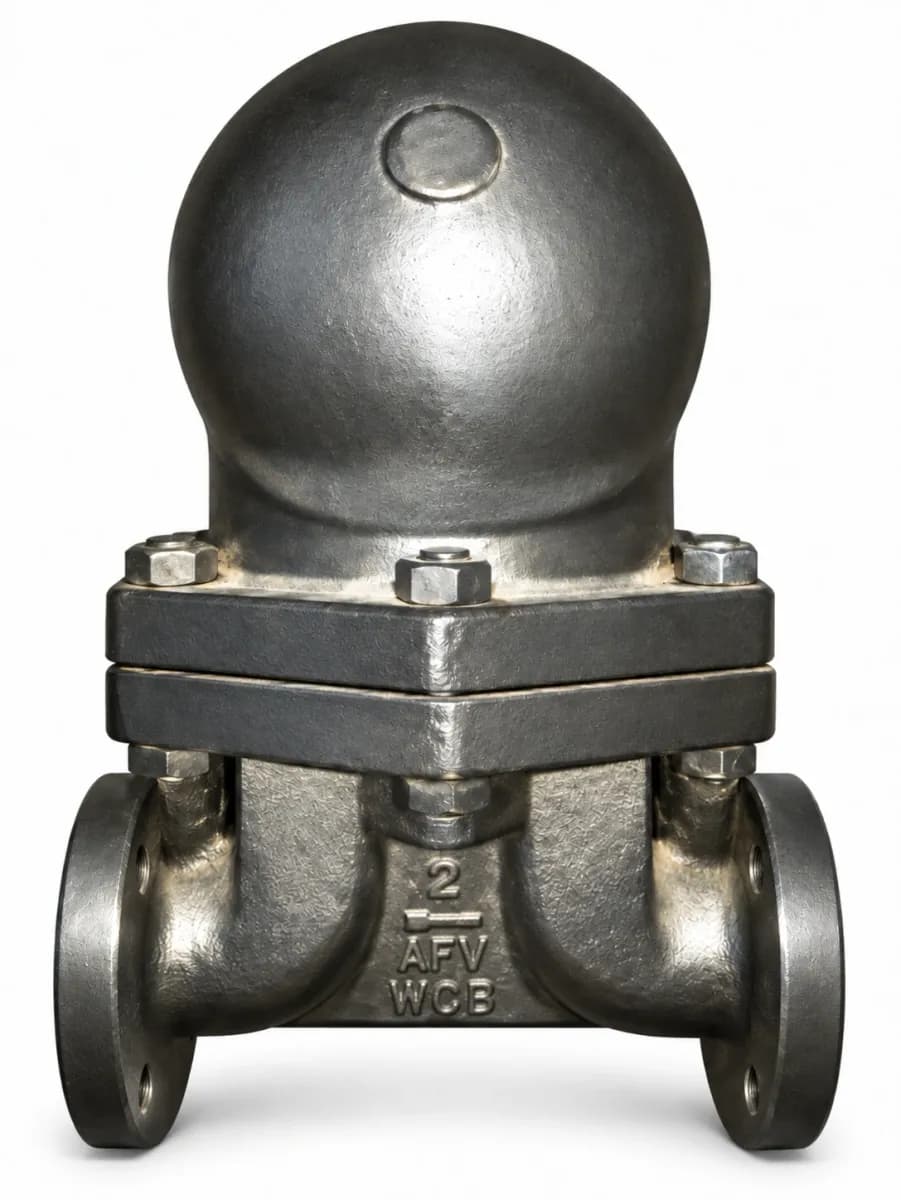
Automatically removes condensate and air from steam systems while retaining live steam for efficient operation.
Steam traps play an important role in maintaining efficient steam distribution and process heating systems by removing accumulated condensate and non-condensable gases. Steam Traps Suppler in Nigeria supplies valves that are used to discharge condensate while retaining live steam, helping maintain heat-transfer efficiency and reduce issues such as water hammer, corrosion and uneven steam-system operation.
Steam Trap Features
Automatic condensate discharge
Live steam retention during normal operation
Thermodynamic, float and thermostatic operating principles
Air and non-condensable gas removal
Compact designs for steam distribution systems
Options for high-pressure steam services
Built-in strainers available for selected designs
Configurations for different condensate loads
Technical Specifications
Parameter | Specification |
Trap Type | Thermodynamic / Float & Thermostatic / Inverted Bucket |
Size Range | ½"–4", depending on design |
Pressure Rating | PN16–PN40 / Application Specific |
Body | Carbon Steel / Stainless Steel / Cast Steel |
Internals | Stainless Steel / Hardened Alloy |
Connection | Threaded / Socket Weld / Flanged |
Operating Medium | Steam / Condensate |
Installation | Horizontal / Vertical, depending on design |
Temperature | Application Specific |
Standards | ASME B16.34 / Applicable Steam Trap Standard |
Applications
Steam traps are used in boilers, steam distribution lines, heat exchangers, process heaters, power plants, refineries, petrochemical facilities and industrial steam systems.
Materials
Common material options include carbon steel, cast steel, stainless steel and alloy materials, selected according to steam pressure, temperature and condensate characteristics.
Showing 1-5 of 5 results