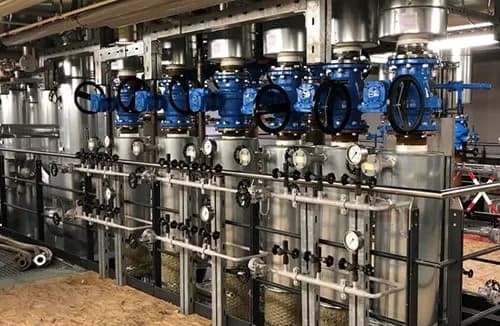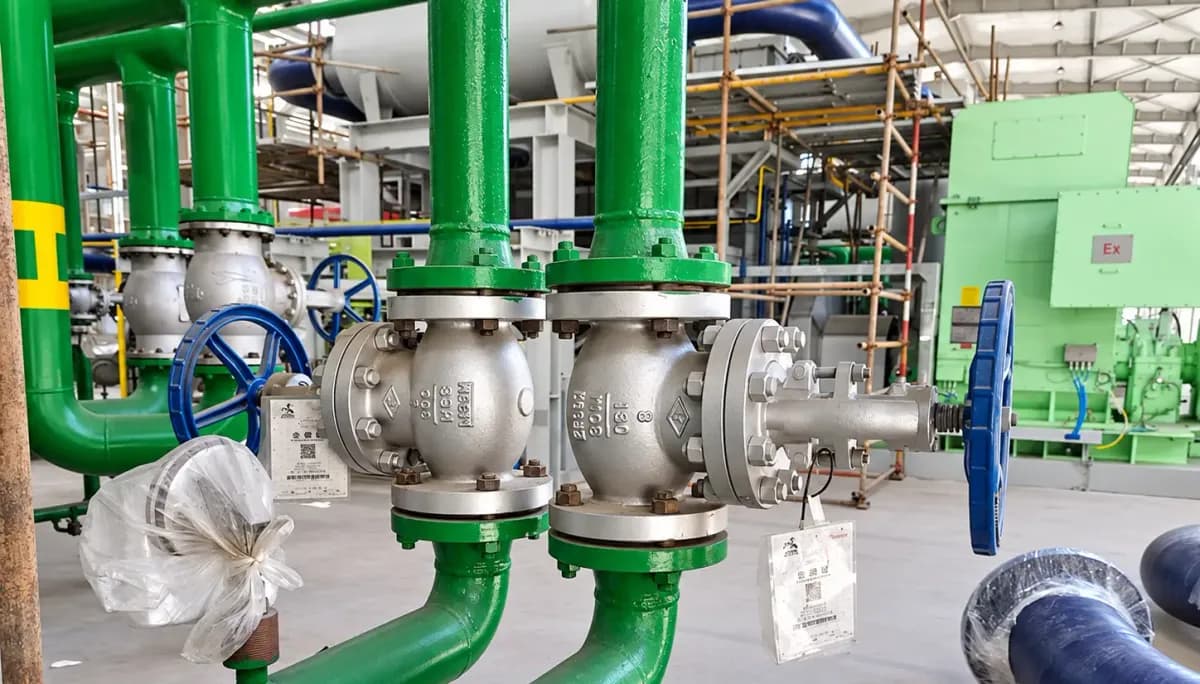
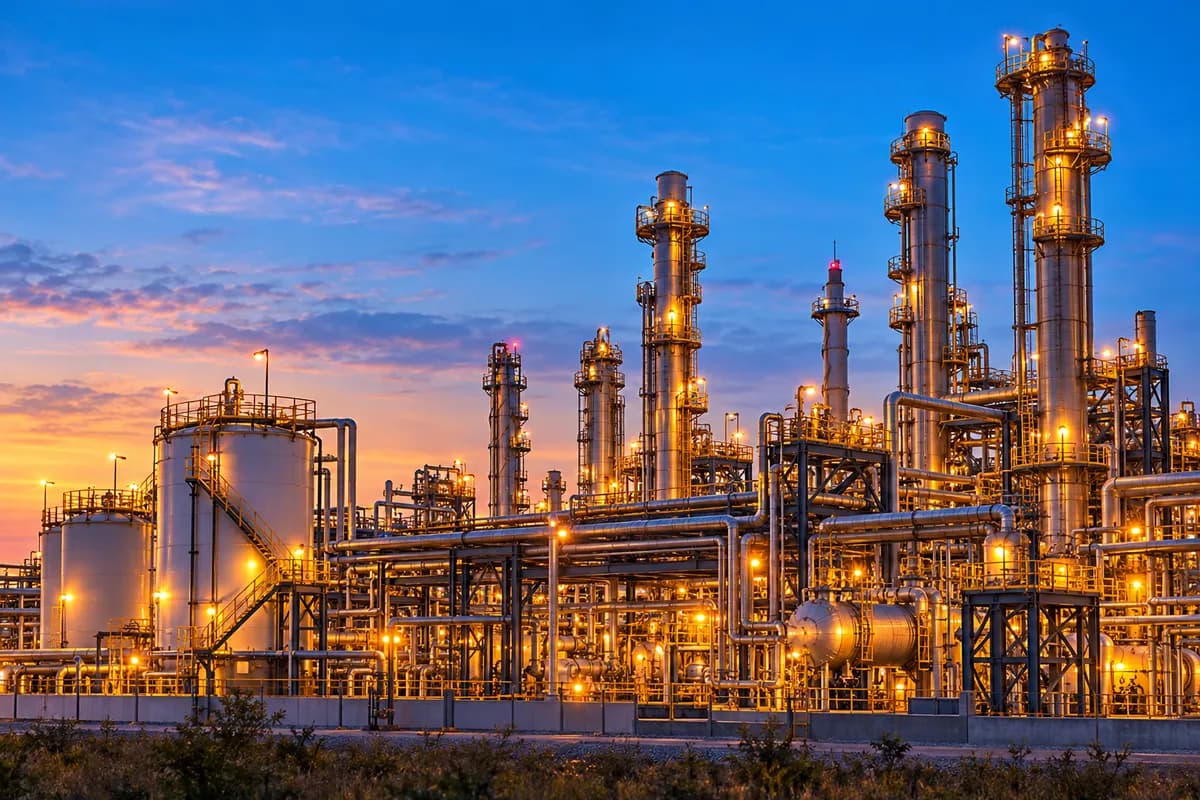
South Africa has an established chemical-processing industry serving sectors such as mining, agriculture, manufacturing, petrochemicals and plastics. Major chemical production centres include Secunda in Mpumalanga, Sasolburg in the Free State, and industrial areas across Gauteng and KwaZulu-Natal. These facilities handle a wide range of process fluids, including solvents, fertiliser chemicals, acids, alkalis and polymers.
For chemical-processing plants, selecting the right industrial valve involves more than choosing a valve type. The valve must be suitable for the process medium, operating pressure, temperature, piping arrangement and required flow-control function. Material compatibility is equally important, particularly where corrosive chemicals or demanding operating conditions are involved.
Choosing suitable valves helps plant operators maintain reliable flow control, reduce the risk of leakage and minimise unplanned maintenance.
Why Valve Selection Matters in South African Chemical Plants
Chemical-processing facilities can have very different operating requirements, even when they are located in the same industrial region. The chemicals being handled, the process conditions and the function of each pipeline all influence the type of valve required.
Secunda, for example, is an important chemical and petrochemical production centre. Sasol's Secunda operations include the production of ethylene, propylene, polypropylene, solvents, fertilisers and nitric acid. These processes involve different fluid-handling requirements, making valve selection specific to each application.
Sasolburg is another established chemical production centre, with operations producing ammonia, ammonium nitrate, phenolics, solvents, waxes and other chemicals. Its chemical facilities also include processes involving products such as chlorine, caustic chemicals, hydrochloric acid and polymers.
Across Gauteng and KwaZulu-Natal, chemical manufacturing and related industrial activities create additional demand for valves used in process lines, utilities, cooling systems and fluid-transfer applications.
The correct valve depends on what the pipeline needs to do. Some applications require dependable isolation during maintenance, while others need precise flow regulation or protection against reverse flow. Selecting valves according to these requirements helps ensure that each component performs its intended function.
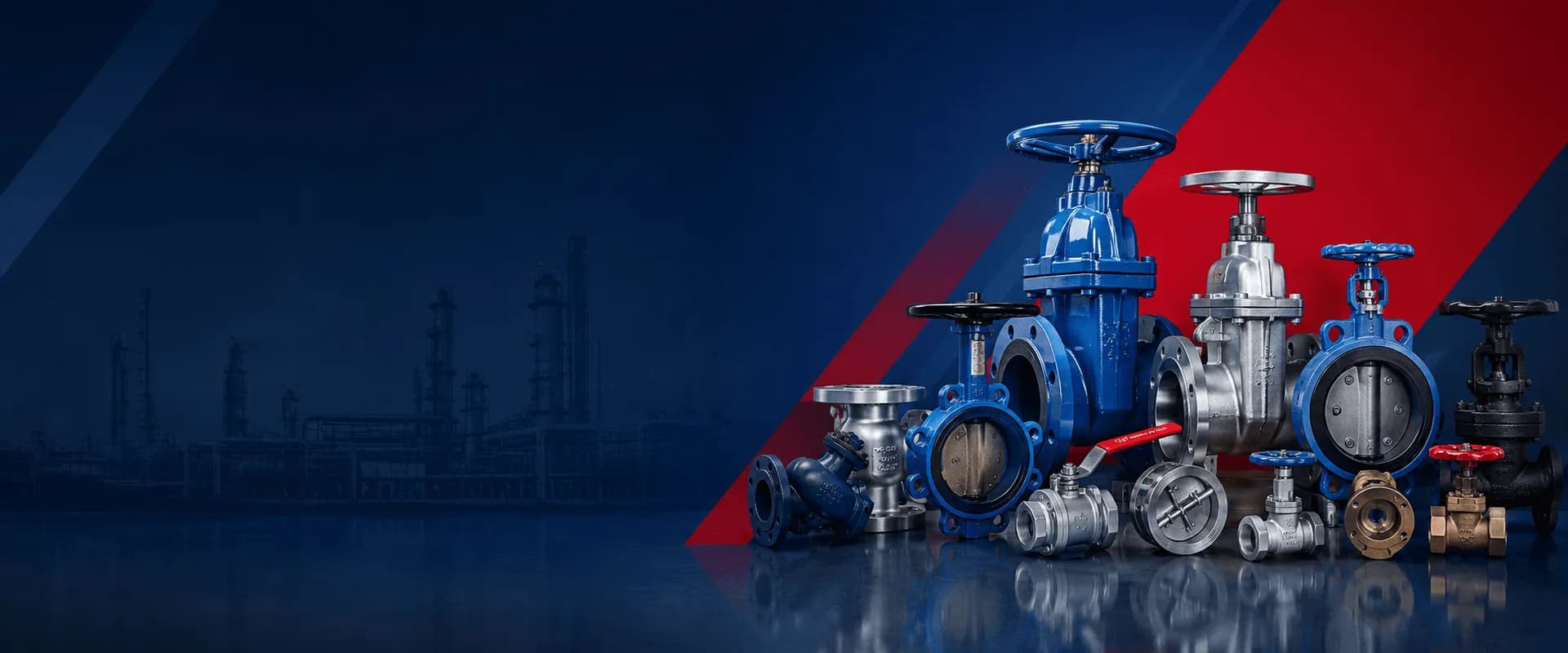
Common Industrial Valve Types Used in Chemical Processing
Different valve types serve different purposes in chemical plants. The following table outlines common options and the main factors to consider when selecting them.
| Valve Type | Main Function | Typical Applications | Key Selection Considerations |
|---|---|---|---|
| Gate Valve | On/off isolation | Chemical transfer, utility lines, process water and storage systems | Body material, corrosion resistance, pressure rating and sealing requirements |
| Globe Valve | Flow regulation | Chemical dosing, steam services and controlled process-fluid flow | Flow characteristics, pressure drop, trim and sealing materials |
| Ball Valve | Quick shut-off | Solvent transfer, process skids, chemical feed lines and utility systems | Seat compatibility, wetted materials and pressure-temperature limits |
| Butterfly Valve | Isolation and, where suitable, flow control | Cooling water, process water, utility lines and compatible chemical services | Disc and seat materials, operating conditions and installation space |
| Check Valve | Reverse-flow prevention | Pump discharge, transfer lines and process-water systems | Flow direction, closing behaviour, pressure conditions and fluid compatibility |
The table provides general guidance rather than a specification for every service. The suitability of each valve depends on the actual fluid, operating conditions, valve design and material configuration.
Corrosion Resistance Is a Key Consideration
Chemical plants handle fluids with different corrosive properties. Acids, alkalis, solvents and chloride-containing solutions can affect valve materials in different ways, depending on their concentration, temperature and operating conditions.
For example, a material suitable for one solvent may not be appropriate for a concentrated acid or a hot caustic solution. Chloride-containing fluids can also increase the risk of pitting and crevice corrosion in susceptible stainless steels. These differences make it important to evaluate the process medium before specifying a valve.
Material selection should cover the complete valve assembly, not just the body. The stem, ball or disc, internal trim, seats, gaskets and seals must also be compatible with the fluid. A valve body may resist corrosion while its internal components or sealing materials deteriorate under the same service conditions.
For more demanding applications, duplex or super duplex stainless steel may be considered where its corrosion resistance and mechanical properties suit the operating environment. However, these materials are not automatically the best choice for every chemical service. The final selection should account for the chemical composition, concentration, temperature, pressure and potential corrosion mechanisms involved.
Careful evaluation of these factors helps chemical plants reduce the likelihood of premature component failure, leakage and avoidable replacement costs.
Material Selection for Chemical-Plant Valves
The appropriate valve material depends on the process fluid and the conditions under which the valve operates. Carbon steel may be suitable for certain compatible, non-corrosive services, while stainless steel grades are used in applications requiring improved corrosion resistance.
Duplex and super duplex stainless steels may be considered for selected services involving chloride exposure or more demanding corrosion conditions. Other materials or specialised alloys may be necessary for particular chemicals and operating temperatures. No single material is suitable for every acid, alkali or solvent.
Sealing materials also require careful consideration. PTFE-based seats and seals, elastomers and other sealing compounds have different chemical and temperature limitations. Their suitability must be checked against the actual process medium and operating conditions.
When specifying industrial valves, engineers should consider:
Process medium: The exact chemical, its concentration and any impurities present.
Operating temperature: Both normal operating temperatures and possible temperature variations.
Pressure conditions: Operating pressure, design pressure and the valve's applicable pressure-temperature rating.
Wetted materials: Compatibility of the body, trim, stem, ball or disc and other fluid-contacting components.
Sealing requirements: Suitability of seats, gaskets and seals for the chemical and temperature involved.
Connection and operation: End connections, available installation space and whether manual or actuated operation is required.
Reviewing these details helps identify a suitable valve configuration while balancing operating reliability, corrosion resistance and lifecycle costs.
Valve Applications Across South Africa's Chemical Hubs
Chemical-processing facilities across South Africa require valves for a range of production, transfer and utility applications. Although the exact requirements differ between plants, several common applications illustrate where industrial valves are used.
- Chemical transfer and storage: Ball and gate valves may be used for isolation in compatible chemical-transfer and storage systems. The selected body, seat and seal materials must be suitable for the stored or transferred medium.
- Process-fluid regulation: Globe valves and other suitable control-valve designs can regulate flow in applications where process conditions require controlled fluid delivery. Valve sizing and flow characteristics should match the system requirements.
- Pump discharge lines: Check valves help prevent reverse flow when installed in suitable pump-discharge applications. Their design should account for the fluid properties, flow rate and potential pressure transients.
- Cooling water and utility systems: Butterfly, gate and other suitable valves can be used for isolation and flow management in compatible cooling-water and utility services. Material selection should still account for water chemistry, temperature and any treatment chemicals.
- Corrosive chemical services: Valves used in acid, alkali or chloride-bearing process lines require particular attention to wetted materials and sealing components. The final specification should be based on the actual chemical service rather than the general application category alone.
These applications occur across a variety of industrial settings, including chemical and petrochemical facilities in Secunda and Sasolburg and manufacturing operations in Gauteng and KwaZulu-Natal. The valve type and configuration should always be selected for the specific pipeline duty.
Industrial Valves for Chemical Processing Plants in South Africa
African Valve supplies gate, globe, ball, butterfly and check valves for industrial applications, including chemical-processing requirements. Valve selection can be based on the process medium, operating pressure and temperature, corrosion conditions, body and trim materials, end connections and project specifications.
For chemical plants in Secunda, Sasolburg, Gauteng, KwaZulu-Natal and other industrial regions, suitable valve configurations can support chemical transfer, plant isolation, process-water circulation, cooling systems, utility lines and pump discharge applications.
When requesting a quotation, provide the valve type, size, pressure class, body and trim materials, end connection, process medium and operating pressure and temperature, where available. Additional details about the required flow function and operating environment can help establish a suitable specification.
African Valve can support industrial valve enquiries for chemical-processing applications across South Africa, with selection based on the requirements of the individual project.