Nigeria’s natural gas pipeline network plays an important role in moving gas from producing areas in the Niger Delta to processing facilities, power plants and industrial consumers. Major infrastructure such as the Escravos Lagos Pipeline System (ELPS) connects gas producing areas in the south with downstream markets, making reliable pipeline valves essential for gas transportation and isolation.
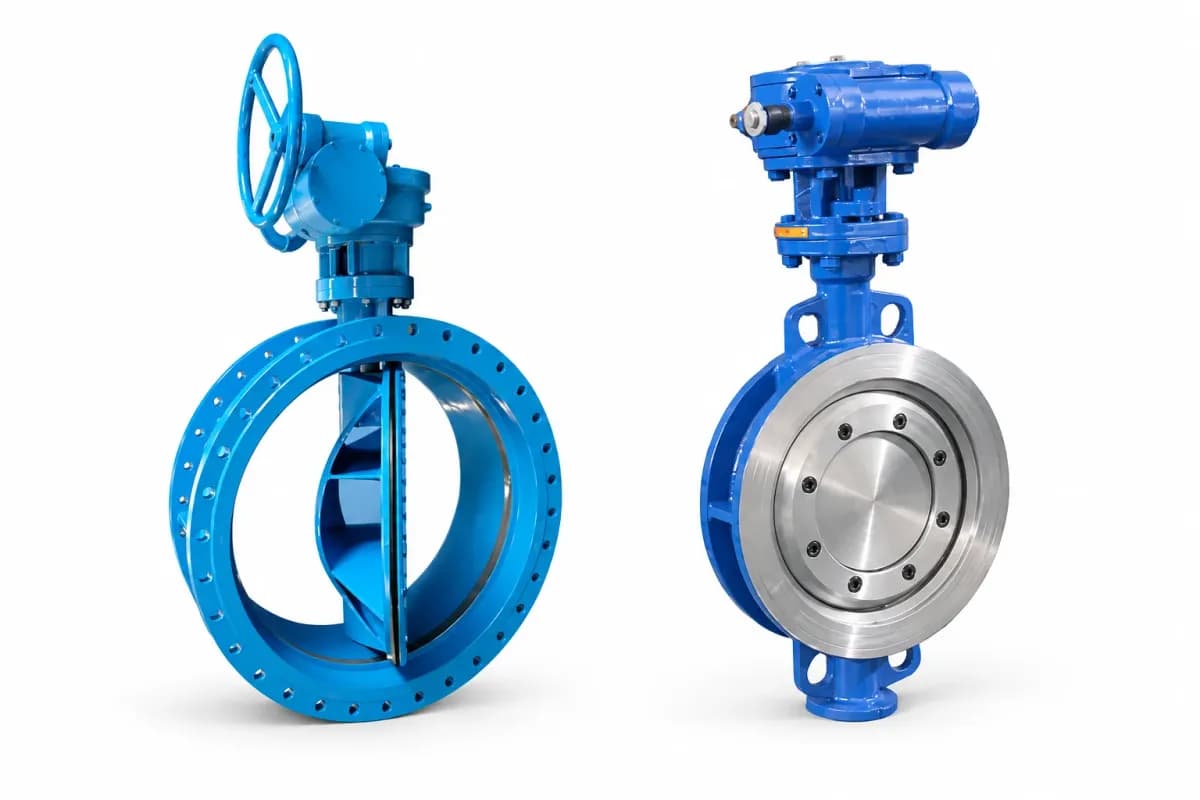
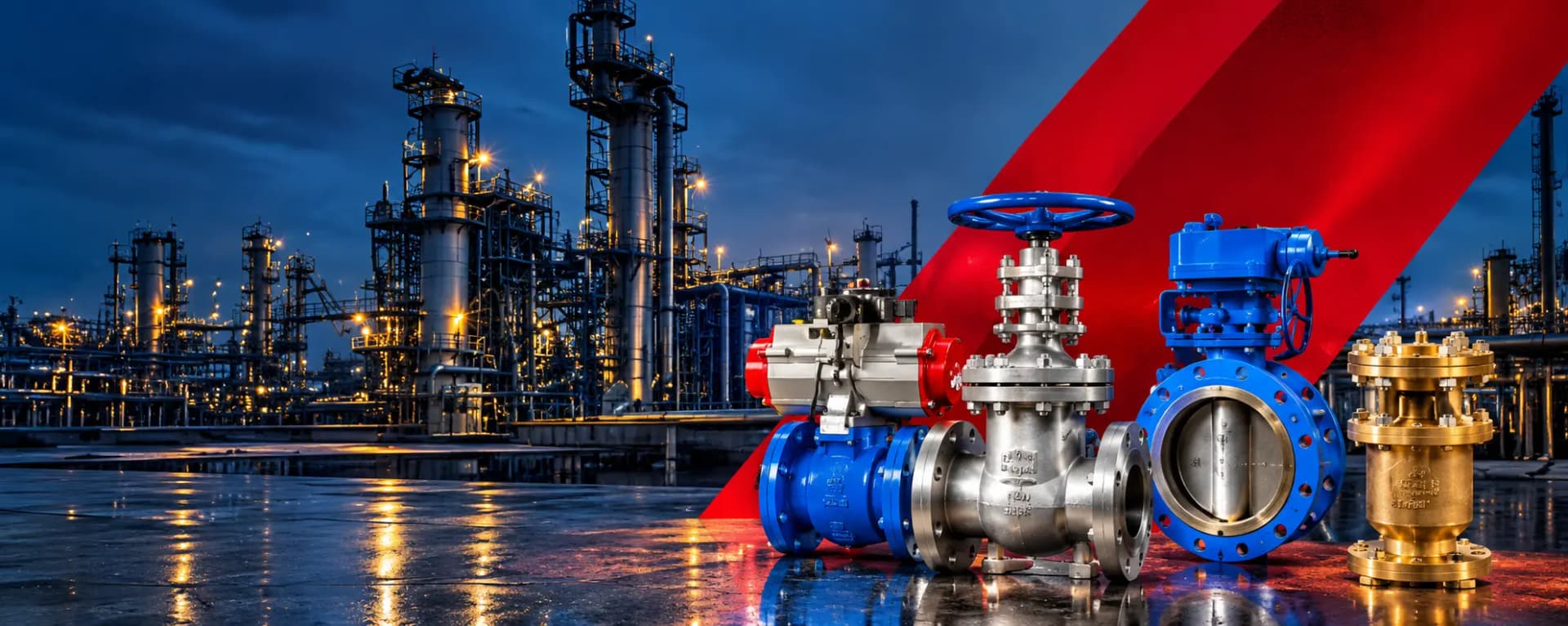
For projects in areas such as Delta State, Rivers State and the wider Niger Delta, valve selection must account for high-pressure gas service, pipeline diameter, gas composition, corrosion conditions and maintenance requirements. Two important options for pipeline isolation are trunnion-mounted and floating ball valves. However, they are not the only valves used in Nigerian gas infrastructure. Gate valves, check valves and pressure-control valves each perform different functions.
Trunnion-Mounted Ball Valves for High-Pressure Pipeline Service
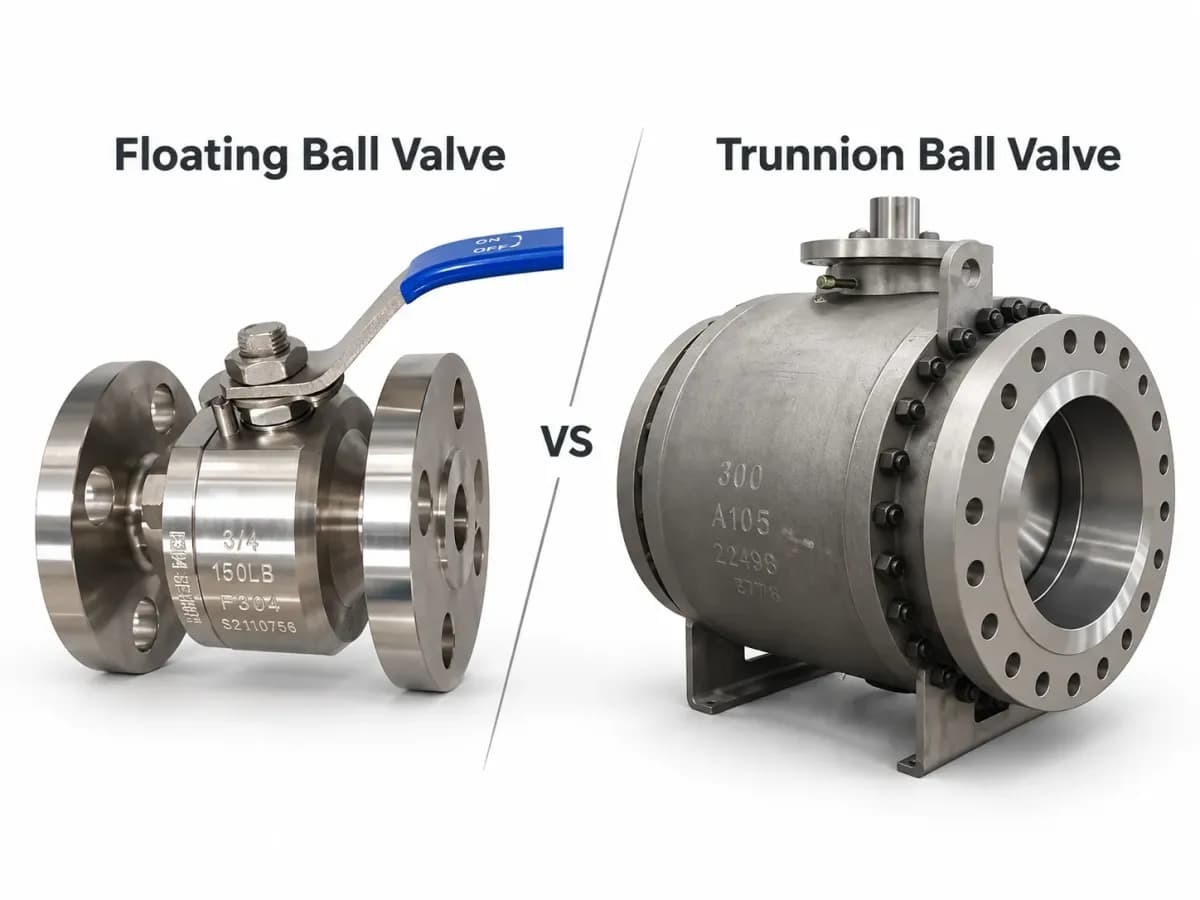
A trunnion-mounted ball valve supports the ball using upper and lower trunnions. The ball remains fixed in position while the seats move against it to achieve sealing.
This arrangement reduces the load transferred to the seats and can lower operating torque, particularly as valve size and differential pressure increase. For this reason, trunnion-mounted designs are commonly considered for larger, higher-pressure gas pipeline applications.
Typical Nigerian gas-pipeline duties include:
|
|
Some trunnion-mounted ball valves can also provide double block and bleed (DBB) capability. In these designs, the two seats provide independent sealing while the body cavity can be vented or monitored. DBB capability should, however, be confirmed against the actual valve design rather than assumed for every trunnion-mounted valve.
Floating Ball Valves for Smaller-Bore Gas Applications
In a floating ball valve, the ball is supported by the seats and connected to the stem but is not fixed by a lower trunnion. When the valve closes, upstream line pressure pushes the ball slightly against the downstream seat, creating the sealing force.
The simpler construction can make floating ball valves practical for smaller-bore pipeline connections, utility services and process piping where the required pressure, size and operating torque remain within the design limits.
Typical applications include:
|
|
As valve diameter and pressure increase, the force acting on the ball and downstream seat also increases. This is one reason floating designs are less commonly selected for large, high-pressure transmission pipelines.
Trunnion vs Floating Ball Valve: Which Is Better?
Feature | Trunnion-Mounted Ball Valve | Floating Ball Valve |
Ball Support | Fixed by upper and lower trunnions | Ball moves slightly against downstream seat |
Pressure / Size Suitability | Better suited to larger sizes and higher-pressure service | More common in smaller-bore applications |
Operating Torque | Generally lower at larger sizes and higher differential pressure | Torque increases more noticeably with pressure and size |
Actuation | Well suited to automated mainline isolation | Suitable where actuator torque remains manageable |
Pigging | Full-bore designs suitable for piggable pipelines | Less common for major piggable transmission lines |
DBB Capability | Available on suitable designs | Design dependent |
Typical Duty | Mainline and critical pipeline isolation | Process, utility and auxiliary gas lines |
Material Selection for Nigerian Gas Pipeline Conditions
The Niger Delta environment creates additional considerations for valve selection. Pipeline systems can be exposed to humid, corrosive surroundings, while the transported gas itself may contain components that influence internal corrosion. The presence and concentration of hydrogen sulphide, carbon dioxide, water and other contaminants must therefore be established when specifying valve materials. Material selection should follow the actual service conditions and project requirements. Depending on the application, carbon steel valve bodies with appropriate internal materials may be specified, while more corrosion-resistant alloys can be required for particular services.
Key Specifications for Nigerian Gas Pipeline Valves
Before purchasing a valve for a Nigerian gas pipeline project, engineers and procurement teams should confirm:
|
|
Selecting Ball Valves for Nigerian Gas Pipelines
For large, high-pressure Nigerian gas-transmission pipelines, trunnion-mounted ball valves are generally better suited where lower operating torque, automation, full-bore construction and critical isolation are required.
Floating ball valves can provide a simpler solution for smaller process and auxiliary lines where the selected size, pressure class and operating torque remain within the valve’s design limits.
For projects around Warri, Escravos, Delta State, Rivers State and the wider Niger Delta, selection should begin with the pipeline duty, gas composition and operating conditions rather than choosing a valve type by name alone.
African Valve for Nigerian Gas Pipeline Applications
African Valve supplies trunnion-mounted and floating ball valves for gas transmission, processing and pipeline-isolation projects in Nigeria. Configurations can be selected according to pipeline size, pressure class, gas composition, material grade, bore requirement, pigging, end connection and actuation.