In large industrial pipelines, valve selection can directly influence pressure loss, isolation performance and maintenance requirements. A butterfly valve uses a rotating disc for quick shutoff, while a gate valve moves a wedge or gate out of the flow path to provide a relatively unobstructed passage. These differences become important in oil and gas transmission, water supply and industrial process pipelines. Understanding Butterfly Valve vs Gate Valve helps engineers select the appropriate design based on pipeline diameter, operating pressure, temperature, flow conditions and sealing requirements.
Butterfly Valve Working Principle
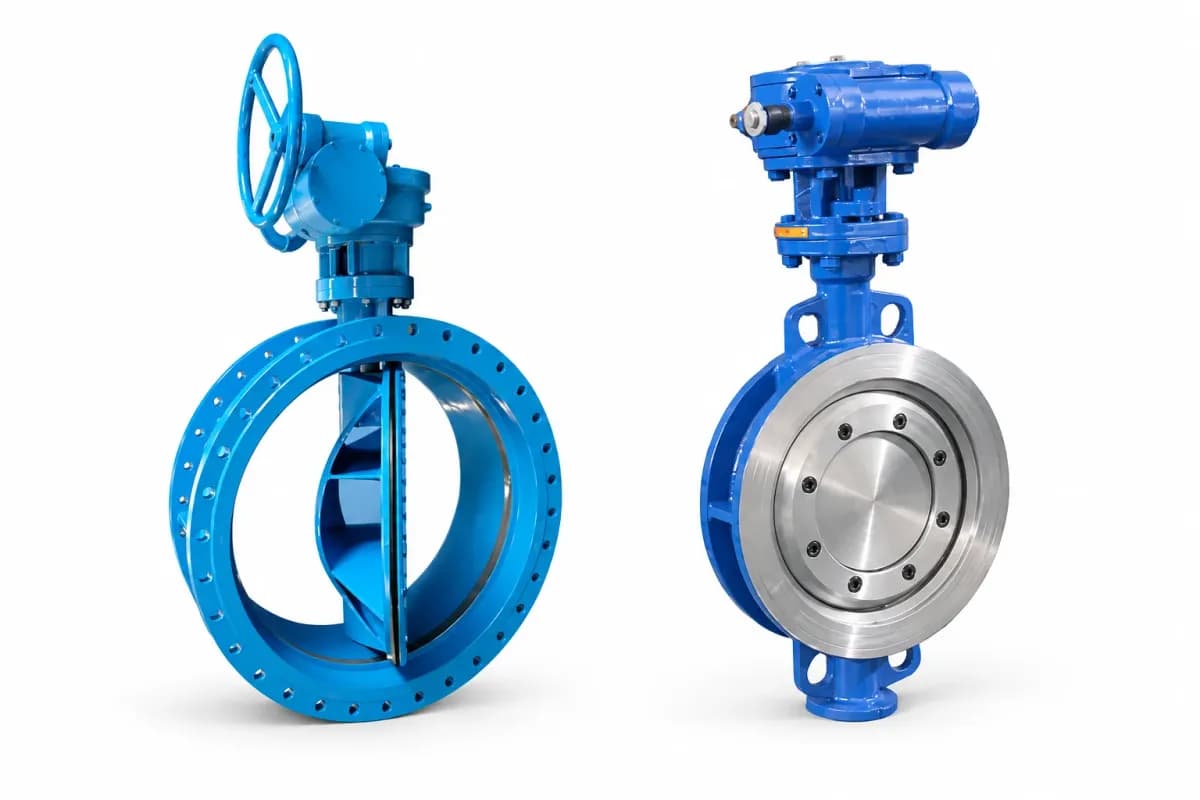
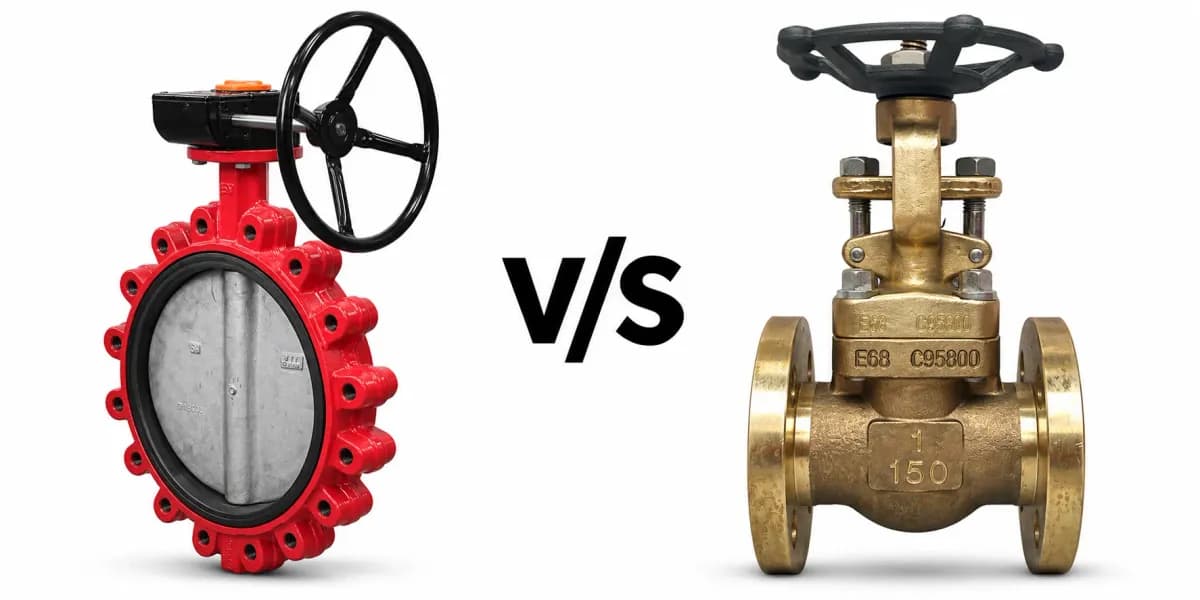
A butterfly valve uses a rotating disc connected to a stem for flow isolation or regulation. A 90° rotation opens or closes the valve. The disc remains in the flow passage when fully open, producing some pressure loss. Butterfly valves are available in concentric, double-offset, and triple-offset designs with wafer, lug, or flanged connections.
Common butterfly valve types include concentric, double-offset and triple-offset designs. Wafer and lug configurations are frequently selected for compact pipeline installations, while flanged designs are used where specified connection arrangements are required.
Gate Valve Working Principle
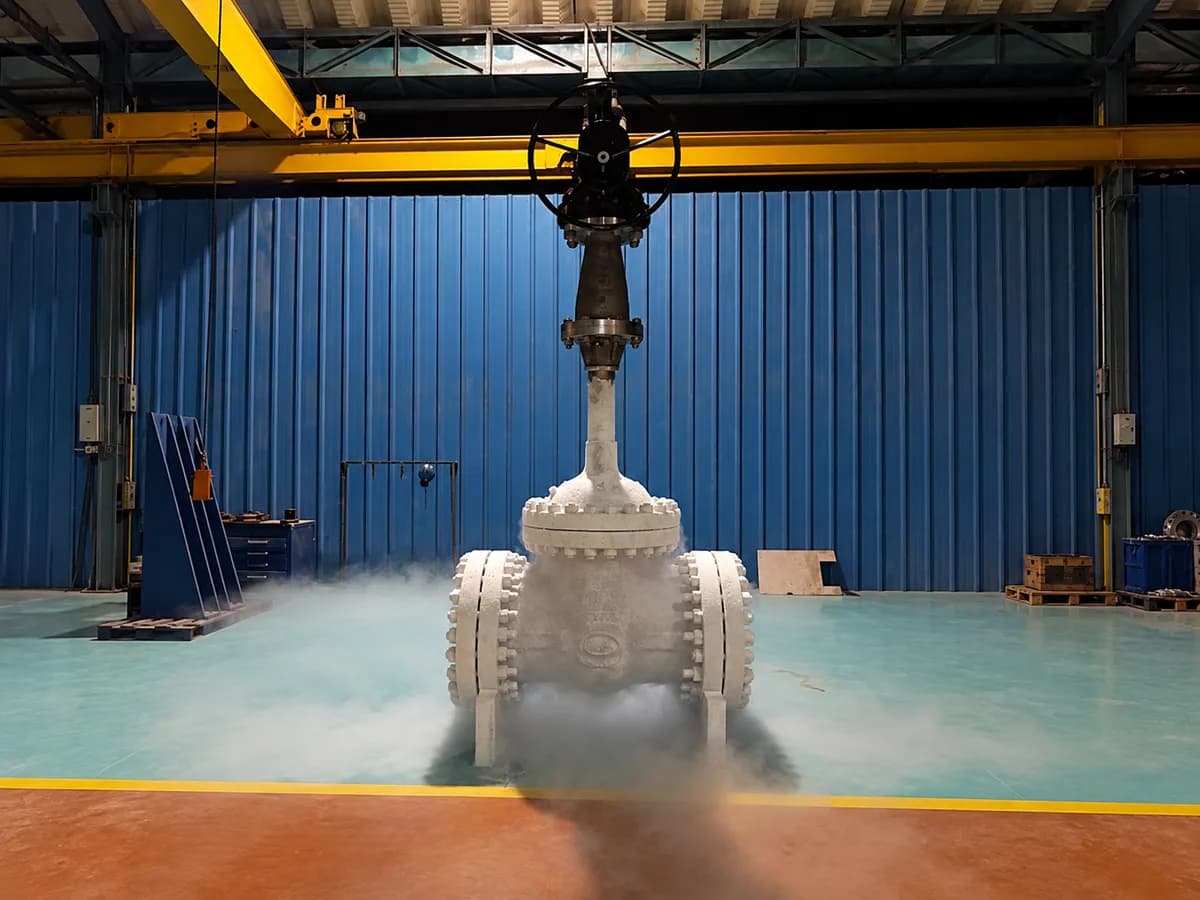
A gate valve operates by raising or lowering a wedge or gate perpendicular to the flow. In the fully open position, the gate retracts from the flow passage, providing relatively low resistance. Gate valves are primarily used for on-off isolation and are not recommended for continuous throttling because partially open operation can cause vibration and seat erosion.
Gate valve types include rising stem, non-rising stem designs. Full-bore gate valves are commonly used for pipeline isolation where minimum flow obstruction is important.
Butterfly Valve vs Gate Valve: Technical Comparison
Parameter | Butterfly Valve | Gate Valve |
Operation | Quarter-turn, 90° | Multi-turn |
Closure element | Rotating disc | Wedge or gate |
Flow passage | Disc remains in flow | Gate retracts from flow |
Pressure drop | Design-dependent disc obstruction | Generally low when fully open |
Flow regulation | Suitable designs permit throttling | Not recommended |
Installation | Compact, lightweight | Larger, heavier |
Operating speed | Generally faster | Generally slower |
Sealing | Resilient or metal seated | Metal or resilient seated |
Design standards | API 609, AWWA C504 | API 600, API 602, AWWA C509 |
Primary function | Isolation and selected control duties | On-off isolation |
Pressure, Temperature and Flow Performance
Gate valves are available for high-pressure and high-temperature isolation, including steam and refinery applications. Their relatively unobstructed flow passage can reduce pressure losses when fully open. Butterfly valves provide compact construction for large pipelines. High-performance double-offset and triple-offset designs extend their suitability to more demanding operating conditions. For either design, engineers must verify pressure-temperature ratings, material compatibility, seat construction, and shutoff requirements. Pressure-drop comparisons should use manufacturer flow coefficients rather than valve type alone.
Installation and Maintenance
Butterfly valves require less installation space and are generally lighter, reducing handling and support requirements. Maintenance focuses on the disc, seat, stem seals, bearings, and actuator. Gate valves require additional operating clearance, particularly for rising-stem designs. Maintenance involves inspection of the gate, seating surfaces, stem, packing, and bonnet joints. Both designs require appropriate material selection and periodic inspection to maintain sealing performance.
Which Valve Should You Select?
Choose a butterfly valve for:
|
Choose a gate valve for:
|
Industrial Pipeline Applications Across Africa
Butterfly valves and gate valves are used in industrial pipelines across Africa for flow isolation, pressure management and maintenance.
Nigeria: Oil and gas pipeline projects, including the AKK Gas Pipeline, require reliable isolation valves for gas transmission.
South Africa: Mining pipelines and water-transfer projects use butterfly and gate valves for flow isolation.
Egypt: Large water transmission networks, including the New Delta Project, require valves for pipeline isolation and maintenance.
Kenya: Water infrastructure projects, including the Northern Collector Tunnel system, highlight the need for suitable pipeline isolation valves.
African Valve Supply
The selection between butterfly valves and gate valves depends on pressure, temperature, flow characteristics, leakage requirements, and installation conditions. Butterfly valves offer compact construction and rapid operation, while gate valves provide effective isolation with relatively low resistance when fully open. African Valve manufactures and supplies butterfly valves and gate valves for industrial pipelines across Africa, serving water transmission, oil and gas, power generation, mining, and chemical processing applications