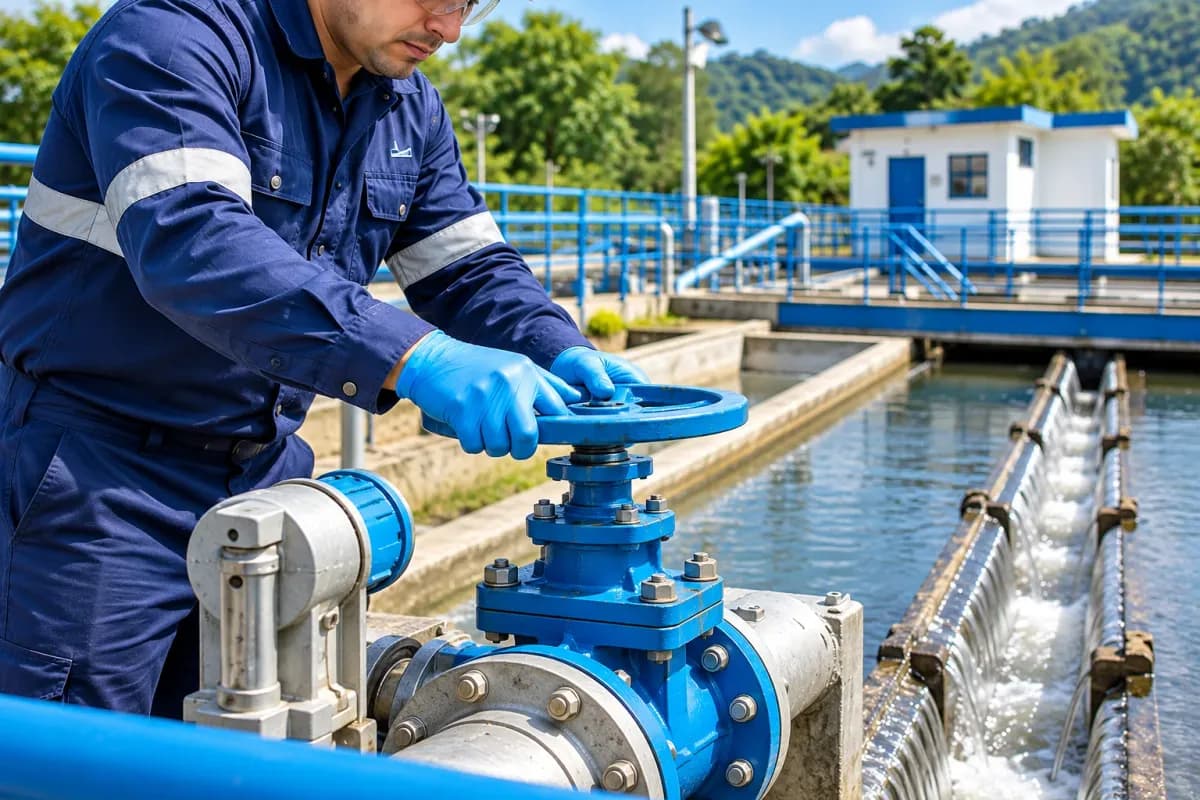
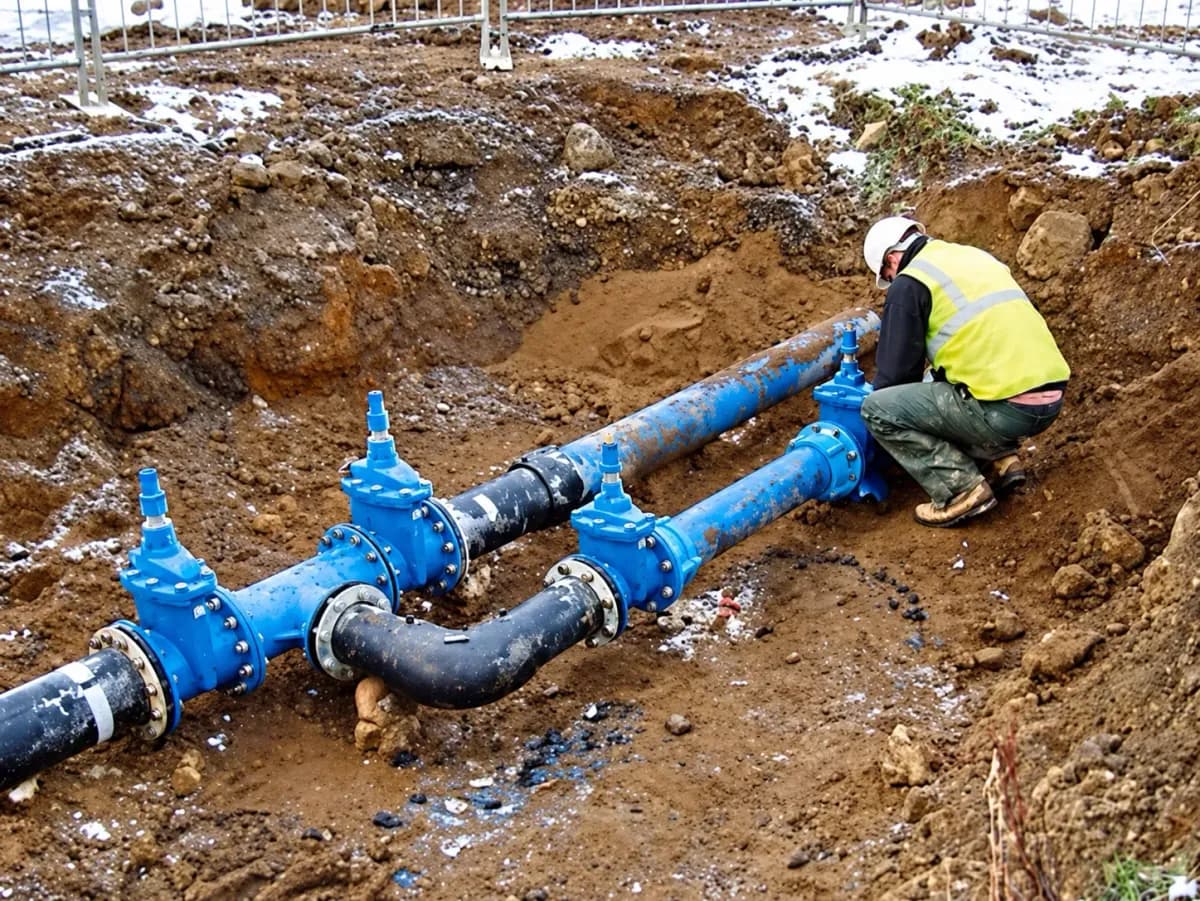
Mining and mineral-processing operations rely on slurry pipelines to transport mineral concentrates, ore particles, tailings and process water. These pipelines can operate over long distances and under demanding conditions, where abrasive solids gradually wear valve seats, gates, discs and other internal components. Choosing the right abrasion-resistant slurry valves is therefore important for maintaining isolation, managing wear and reducing unplanned maintenance.
For mining operators, valve selection is not simply about size and pressure rating. Slurry composition, particle hardness, solids concentration, flow velocity and the required valve function all influence performance. Knife gate, ball and check valves are commonly considered for different duties, while butterfly valves may suit selected water and slurry-related services.
Real Mining Projects Highlight the Challenges of Slurry Pipelines
Large-scale mining projects demonstrate why slurry pipeline design requires careful attention to wear, pressure and operating conditions.
In Morocco, the Jorf Lasfar phosphate slurry pipeline, commissioned in 2014, was designed to transport approximately 38 million tonnes of phosphate ore annually over a 187 km route. The project involved specialised hydraulic design and dedicated valve stations to handle the demands of long-distance slurry transportation.
In Zambia, a tailings pipeline project at Konkola Copper Mines' Muntimpa facility involved steel piping with HDPE lining for abrasive slurry service. The reported system expansion formed part of a wider pipeline network designed to support mine operations and accommodate additional slurry transport requirements.
These projects illustrate the scale and operating demands of mining pipelines. Valve selection must account for the actual service conditions at each installation rather than relying on a single design across the entire network.
Which Valves Are Suitable for Abrasive Slurry?
1. Knife Gate Valves for Slurry Isolation
Knife gate valves are widely considered for on-off isolation in slurry pipelines, tailings lines and thickener underflow systems. Their gate moves through the flow passage, making purpose-designed models suitable for certain services containing suspended solids.
For abrasive applications, buyers should evaluate gate construction, seat design, body material and pressure rating. The valve must be suitable for the particle characteristics and differential pressure encountered during operation.
Knife gate valves are generally selected for isolation rather than continuous throttling. Keeping a valve partially open in abrasive slurry can expose the gate and seating surfaces to concentrated wear.
2. Pinch Valves for High-Solids Slurry
Pinch valves can be considered for abrasive slurry and tailings services where the process medium contains high concentrations of suspended solids. Flow is controlled by compressing a flexible sleeve, keeping many mechanical components outside the direct flow path.
The suitability of the sleeve material is critical. Slurry composition, particle size, operating pressure, temperature and chemical compatibility should be reviewed before selection. Pneumatic or electric actuation can also be used where automated isolation or process control is required.
3. Ball Valves for Demanding Pipeline Service
Ball valves may be suitable for selected slurry pipelines requiring tight isolation, high-pressure service or a full-bore passage for pigging.
Metal-seated ball valves can be considered for certain abrasive duties, but suitability depends on the slurry, operating pressure, ball and seat construction, and expected wear. A full-bore design may be necessary where pipeline cleaning or inspection pigs must pass through the valve.
For procurement teams, the key is to confirm that the selected design is intended for the actual slurry service rather than assuming a standard industrial ball valve will withstand abrasive particles.
4. Check Valves for Slurry Pump Protection
Check valves prevent reverse flow when pumping stops or pipeline flow reverses. In slurry systems, the right design must handle both the fluid's solid content and the pressure conditions created during pump start-up and shutdown.
Swing and dual-plate check valves have different operating characteristics. Solids accumulation, seat wear, closing speed and pressure surges should be assessed before selecting a model.
Where reverse-flow prevention is critical, buyers should confirm the valve's suitability for the slurry composition, flow velocity and expected operating cycle.
5. Butterfly Valves for Water and Compatible Slurry Services
Butterfly valves offer a compact design and are commonly used in mining water systems, including process water, cooling water and water-recovery pipelines. Certain designs may also suit compatible slurry duties.
However, abrasive particles can wear the disc, seat and other exposed surfaces. For highly abrasive slurry, the suitability of a butterfly valve should be established from its design, materials and operating conditions before specification.
Valve Type | Typical Duty | Suitable Application | Key Concern |
Knife Gate Valve | Isolation | Tailings, thickener underflow, slurry lines | Seat and gate wear |
Pinch Valve | Isolation / control | High-solids slurry, tailings, mineral processing | Sleeve wear and compatibility |
Ball Valve | High-pressure isolation | Main slurry lines, piggable pipelines | Ball/seat erosion |
Check Valve | Reverse-flow prevention | Pump discharge, slurry transport | Closing behaviour, solids |
Butterfly Valve | Isolation / utility duty | Process water, recovery water, compatible slurry | Disc and seat exposure |
How to Select Abrasion-Resistant Slurry Valves
The most suitable valve depends on the pipeline's duty and the characteristics of the material being transported. Before requesting a quotation, mining operators and engineering teams should review:
Selection Factor | What to Review |
Slurry composition | Minerals, process water and corrosive chemicals present |
Particle size and hardness | Abrasiveness and impact of solid particles |
Solids concentration | Effect on flow behaviour and wear |
Operating pressure and flow velocity | Pressure capability and erosion risk |
Valve function | Isolation, control or reverse-flow prevention |
Materials and seating | Compatibility with abrasion and corrosion conditions |
Maintenance requirements | Access, operating frequency and shutdown impact |
Slurry Valve Solutions from African Valve
African Valve supports industrial valve requirements for mining, mineral processing and pipeline applications. For abrasive slurry and tailings projects, the appropriate valve type and construction must match the specified service conditions, pressure requirements and required duty.
Whether the application involves knife gate valves for isolation, ball valves for selected pipeline services or check valves for reverse-flow prevention, product selection should be based on documented technical specifications rather than valve type alone.
For a product enquiry or quotation, provide the valve type, size, pressure class, slurry composition, solids concentration, particle size, operating pressure, required materials, actuation and quantity. Drawings and project specifications can also help clarify the requirements.
Related Topics