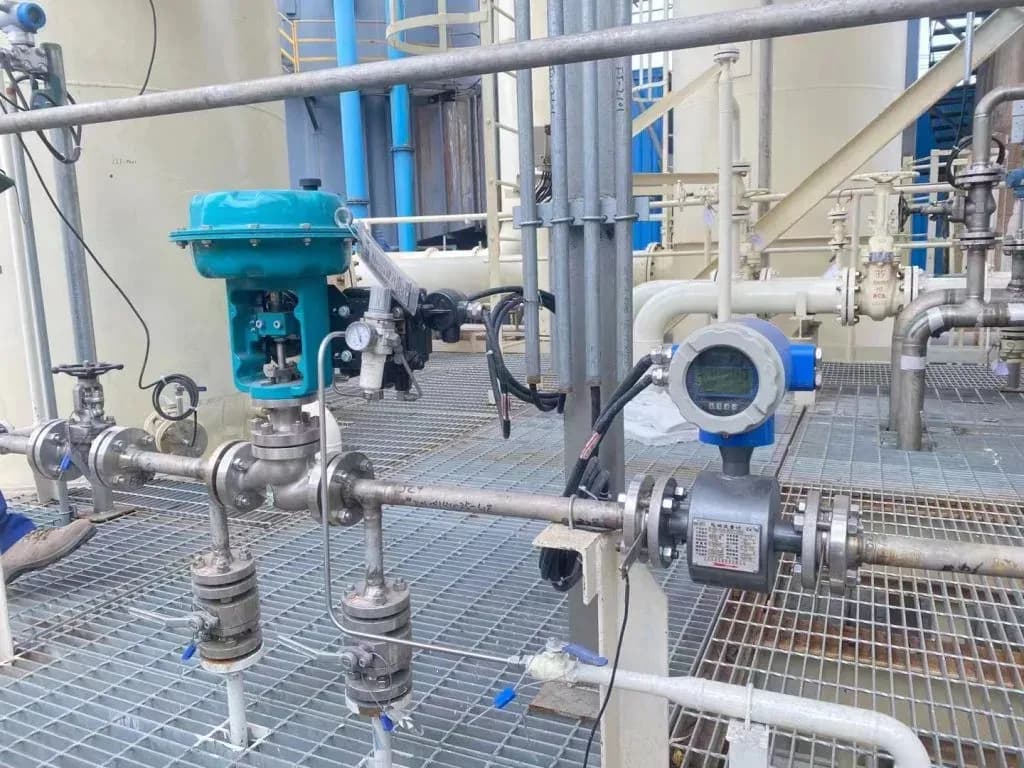
Industrial Valves Used in Petrochemical Processing in Secunda
Secunda in Mpumalanga, South Africa, is a major centre for petrochemical processing and synthetic-fuel production. Its industrial facilities handle synthesis gas, hydrocarbons, steam, cooling water, chemicals and utility fluids through extensive pipeline networks.
At Sasol's Secunda operations, synthesis gas is produced through coal gasification and natural-gas reforming before undergoing downstream conversion, including Fischer–Tropsch processing. These operations support the production of synthetic fuels, pipeline gas and chemical feedstocks.
Across these facilities, Petrochemical Valves in Secunda are essential for pipeline isolation, flow regulation, reverse-flow prevention and pressure protection. Selecting the right valve depends on the process medium, operating pressure, temperature, corrosion conditions and required shut-off performance.
How Petrochemical Processing in Secunda Works
Petrochemical processing involves several interconnected operations, starting with synthesis gas production and treatment. The gas is cleaned before entering conversion stages, where hydrocarbon products are produced and separated into fuel components and chemical feedstocks.
Each stage requires valves suited to its operating conditions.
- Process gas and hydrocarbon lines: Require reliable isolation and suitable sealing arrangements.
- Steam systems: Need valves designed for elevated temperatures and changing operating pressures.
- Cooling water and utilities: Require suitable isolation and flow-control solutions.
- Pump and compressor systems: Use check valves to prevent reverse flow.
- Automated process systems: Depend on control valves to regulate pressure, temperature, flow and liquid levels.
Valve selection should therefore be based on the actual process service rather than using the same valve design throughout the plant.
Industrial Valves Used in Petrochemical Plants
Different valve designs perform specific functions across petrochemical facilities.
| Valve Type | Main Function | Typical Application |
|---|---|---|
| Gate Valve | On-off isolation | Process pipelines and steam systems |
| Globe Valve | Flow regulation | Process and utility lines |
| Ball Valve | Tight shut-off | Hydrocarbon and gas pipelines |
| Butterfly Valve | Quarter-turn isolation | Cooling water and large pipelines |
| Check Valve | Prevents reverse flow | Pump and compressor discharge |
| Plug Valve | Quarter-turn isolation | Gas, liquid and chemical services |
| Control Valve | Automatic flow regulation | Pressure, temperature and flow-control systems |
| Pressure Relief Valve | Overpressure protection | Vessels and pressurised systems |
Ball valves are commonly selected for hydrocarbon and gas applications requiring quick operation and tight shut-off. Their design and pressure-temperature requirements can be specified in accordance with API 608 and ASME B16.34.
Gate valves are suitable for pipelines requiring full-flow isolation, while globe valves provide better throttling capabilities. Steel gate valves are commonly specified to API 600, with compact designs covered by API 602.
Butterfly valves offer a practical solution for cooling-water and larger-diameter utility pipelines. API 609 provides the applicable design requirements for different butterfly valve categories.
Check valves are installed around pumps and compressors to prevent reverse flow and protect equipment. API 594 covers applicable check valve designs.
Manual and Actuated Valve Options
Manual valves are suitable for accessible isolation points, while pneumatic and electric actuators support remote operation and automated process control.
Pneumatic actuators use compressed instrument air and can be configured for fail-open or fail-closed operation. Electric actuators are useful where electrical power and remote-control infrastructure are available.
For automated valve applications, buyers should specify the required operating mode, control signal, fail position and available air or electrical supply.
Material Selection for Petrochemical Valves
Material selection depends on the process medium, pressure, temperature and corrosion conditions. The valve body, trim, seats, packing and seals must all be compatible with the intended service.
| Material | Common Grade | Typical Application |
|---|---|---|
| Carbon Steel | ASTM A216 WCB | General hydrocarbon and utility service |
| Stainless Steel | ASTM A351 CF8M | Corrosive chemical and process applications |
| Chrome-Moly Alloy Steel | ASTM A217 WC6 | High-temperature steam and process service |
| Duplex Stainless Steel | ASTM A995 Grade 4A | Chloride-bearing and corrosive environments |
| Super Duplex Stainless Steel | ASTM A995 Grade 5A / 6A | More aggressive chloride services |
The selected material should account for the chemical composition of the process medium and potential corrosion mechanisms. For H₂S-containing applications, material selection should follow applicable sour-service requirements, including NACE MR0175 / ISO 15156 where specified.
Pressure Ratings, Testing and Inspection Standards
Petrochemical valves must meet the pressure, temperature and performance requirements of their intended applications. ASME B16.34 establishes design and pressure-temperature rating requirements, while testing and inspection are addressed by applicable product standards.
API 598 is commonly used for valve inspection and pressure testing. For fire-safe applications, API 607 or API 6FA may apply depending on the valve design and project specification.
Buyers should confirm the required pressure class, design standard, testing procedure and inspection documentation before procurement. Additional requirements may include fugitive-emission testing, Positive Material Identification (PMI) and EN 10204 Type 3.1 material certificates.
What to Include in a Petrochemical Valve RFQ
A detailed Request for Quotation (RFQ) helps manufacturers and suppliers identify suitable valve configurations and prepare technically compliant quotations.
For petrochemical projects in Secunda, buyers should provide:
- Valve type and size
- Pressure class or rating
- Operating and design pressure
- Operating and design temperature
- Process medium
- Body and trim material
- Seat and sealing requirements
- End connection
- Manual, pneumatic or electric operation
- Required actuator fail position
- Applicable design and testing standards
- Quantity and documentation requirements
Providing these details helps suppliers evaluate the application, recommend suitable valve specifications and reduce delays during technical clarification.
Sourcing Petrochemical Valves in Secunda, South Africa
Reliable industrial valves support isolation, flow regulation, pressure protection and equipment performance across petrochemical processing facilities.
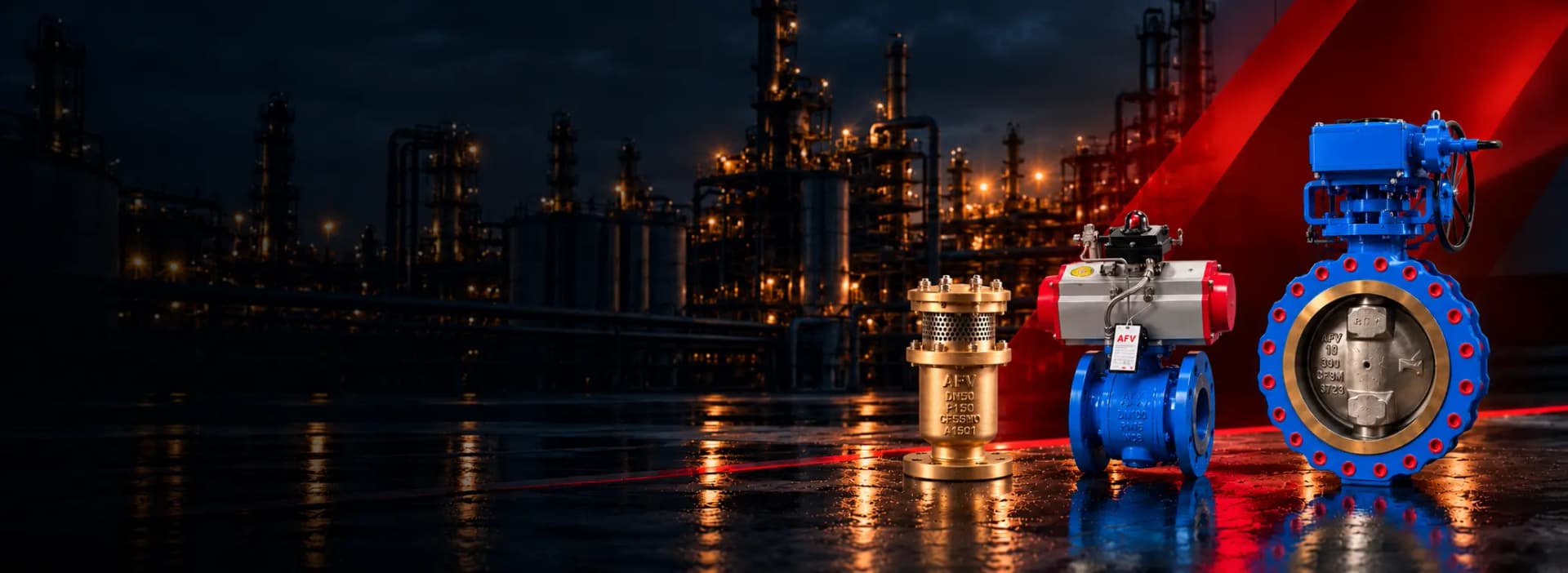
African Valve is a manufacturer and supplier of industrial valves, offering Ball, Gate, Globe, Check, Butterfly, Plug, Control and Safety Valves for petrochemical, chemical-processing and other industrial applications.
Serving customers across South Africa and other African markets, African Valve offers industrial valve solutions in different designs, materials, pressure ratings and operating configurations.
Whether you require isolation valves for hydrocarbon pipelines, control valves for process systems or specialised valves for demanding operating conditions, selecting the correct specification is essential.
Looking for Petrochemical Valves in Secunda?
Contact African Valve to discuss your project requirements or submit your RFQ for a quotation. Our team can assist with valve selection based on your required size, material, pressure class, end connection and operating conditions.
Related Topics