Chemical processing plants operate under demanding conditions involving corrosive chemicals, high temperatures, pressure variations, and aggressive process fluids. Selecting the correct valve material is essential for maintaining pipeline reliability, preventing leakage, and reducing maintenance costs. Across South Africa, industries such as petrochemicals, mining, mineral processing, fertilizer production, and chemical manufacturing require valves capable of handling challenging operating environments. Duplex and super duplex stainless steel are two important material options for these applications. Although both materials offer high strength and corrosion resistance, they differ in alloy composition, resistance to chloride-induced corrosion, mechanical properties, and suitability for demanding chemical services.
1. What Are Duplex Stainless Steel Valves?
Duplex stainless steel valves are manufactured using a stainless steel alloy with a mixed microstructure of approximately equal proportions of ferrite and austenite. This combination provides higher mechanical strength than conventional austenitic stainless steels, along with good resistance to several forms of corrosion.
A commonly used grade is Duplex 2205 (UNS S32205/S31803). It contains chromium, nickel, and molybdenum, which contribute to its strength and corrosion resistance.
Key characteristics include:
High mechanical strength compared with common austenitic stainless steels.
Good resistance to chloride stress corrosion cracking.
Good resistance to pitting and crevice corrosion.
Suitable for many chemical and industrial fluid applications.
Potential for reduced wall thickness in pressure-containing components, subject to design requirements.
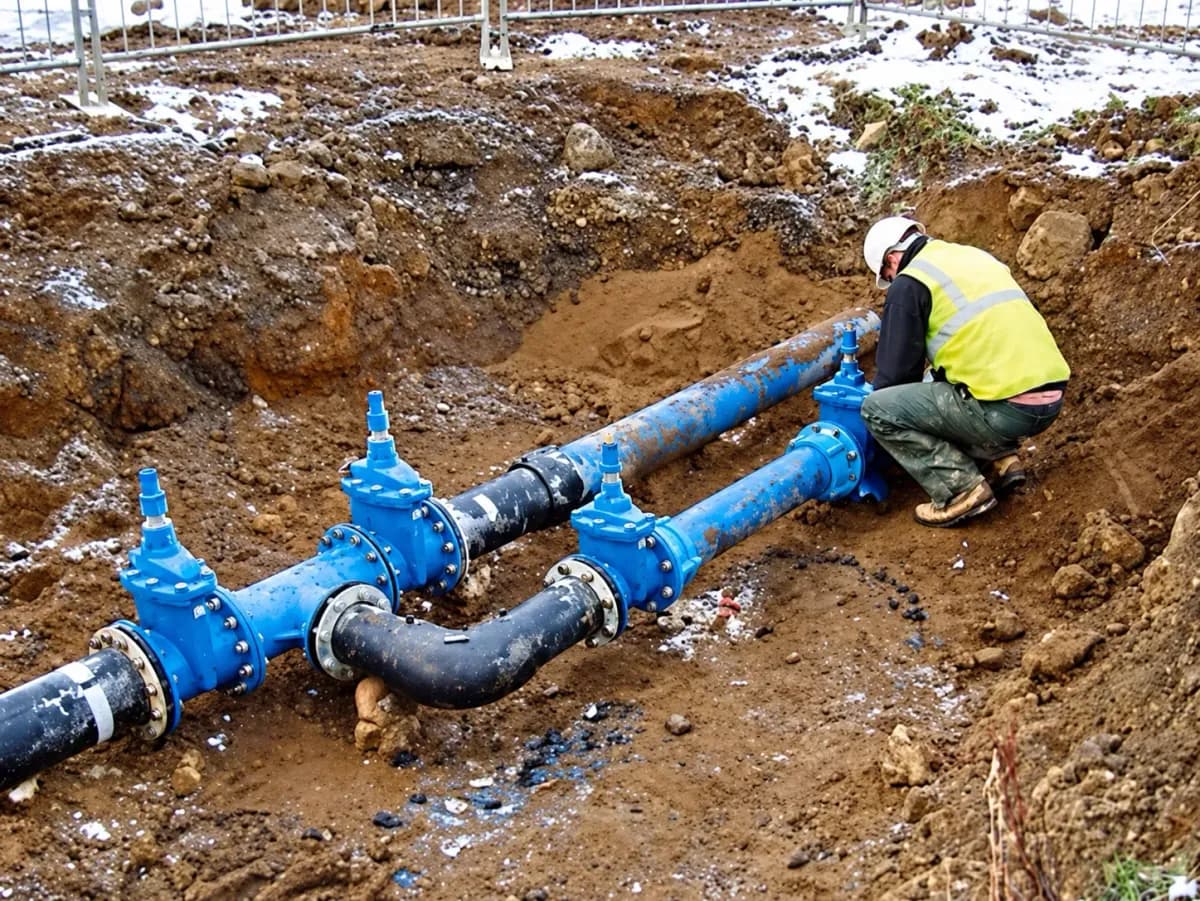
Duplex stainless steel valves are used in chemical transfer pipelines, water treatment systems, mining operations, and industrial processing equipment.
2. What Are Super Duplex Stainless Steel Valves?
Super duplex stainless steel is a higher-alloy version of duplex stainless steel. It contains increased levels of chromium, molybdenum, and nitrogen, providing enhanced resistance to pitting, crevice corrosion, and chloride-containing environments.
A widely used grade is Super Duplex 2507 (UNS S32750).
Its higher alloy content gives it a Pitting Resistance Equivalent Number (PREN) typically above 40, depending on the exact composition. This makes it suitable for more aggressive environments where standard duplex grades may not provide sufficient corrosion resistance.
Key characteristics include:
Very high resistance to chloride-induced pitting and crevice corrosion.
Strong resistance to chloride stress corrosion cracking.
High tensile and yield strength.
Suitability for demanding chemical and offshore applications.
Good performance in selected high-pressure and corrosive-fluid services.
Super duplex valves are commonly specified for seawater handling, aggressive chemical transfer, offshore processing, and applications involving high chloride concentrations.
3. Corrosion Resistance in South African Chemical Plants
Corrosion resistance is one of the most important considerations when selecting valve materials for chemical processing facilities. South African chemical plants may handle acids, alkaline solutions, chloride-containing fluids, process water, mineral slurries, and other aggressive media. The actual corrosion risk depends on chemical concentration, temperature, pressure, flow velocity, and operating conditions.
Duplex stainless steel valves are suitable for many industrial environments where corrosion resistance and mechanical strength are required. Duplex 2205 is commonly considered for chemical transfer, process water, and selected mining applications.
Super duplex stainless steel valves are better suited to more aggressive chloride environments. Their higher chromium, molybdenum, and nitrogen content improves resistance to localized corrosion, making them useful in seawater systems, chemical processing, and selected coastal industrial applications.
However, neither material is universally resistant to every chemical. For example, certain acid concentrations and temperatures can cause corrosion even in highly alloyed stainless steels. Material selection should therefore be based on process chemistry and corrosion data.
4. Applications in South African Industrial Sectors
Duplex and super duplex valves have applications across several important industrial sectors in South Africa.
Chemical and Petrochemical Processing
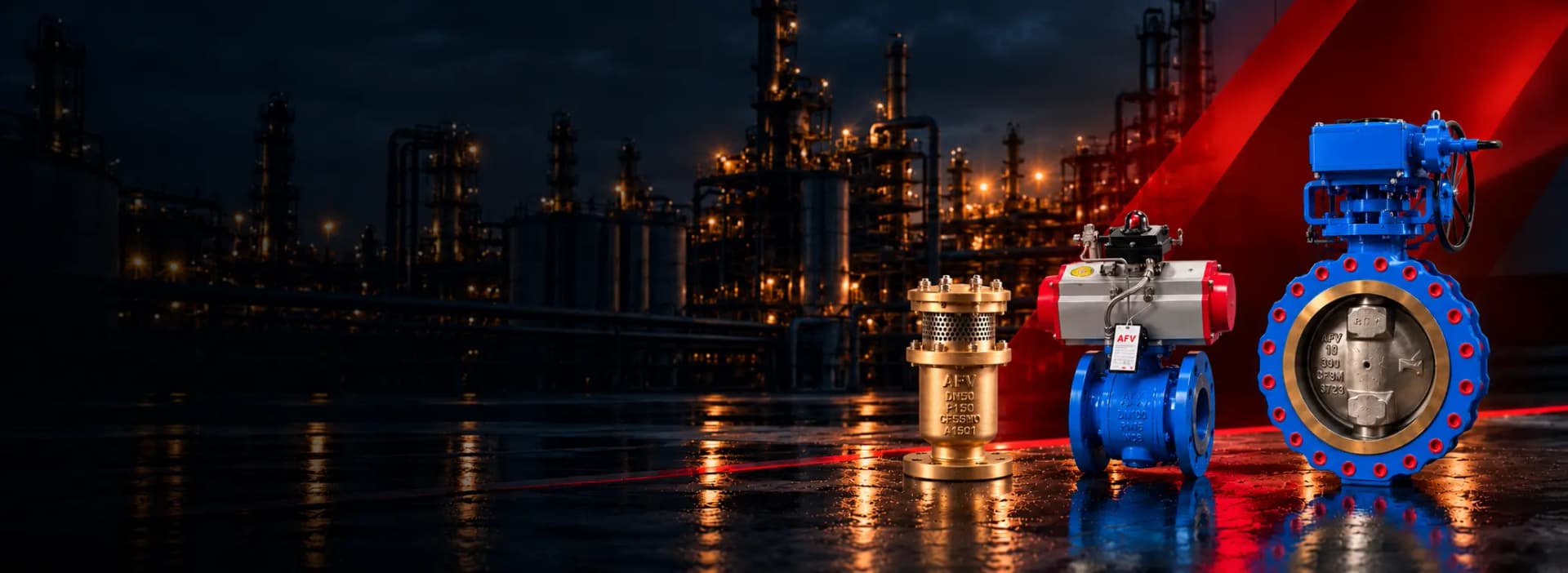
Chemical plants require valves for controlling and isolating corrosive process fluids. Duplex valves can be considered for chemical transfer and general process pipelines, while super duplex is suitable for more aggressive chloride-containing services.
Mining and Mineral Processing
South Africa's mining industry uses pipelines for process water, mineral processing fluids, and selected corrosive slurry services. Duplex stainless steel provides a combination of strength and corrosion resistance. Super duplex may be considered where chloride exposure or localized corrosion presents a greater challenge. Abrasion resistance must also be evaluated for slurry applications.
Water Treatment and Desalination
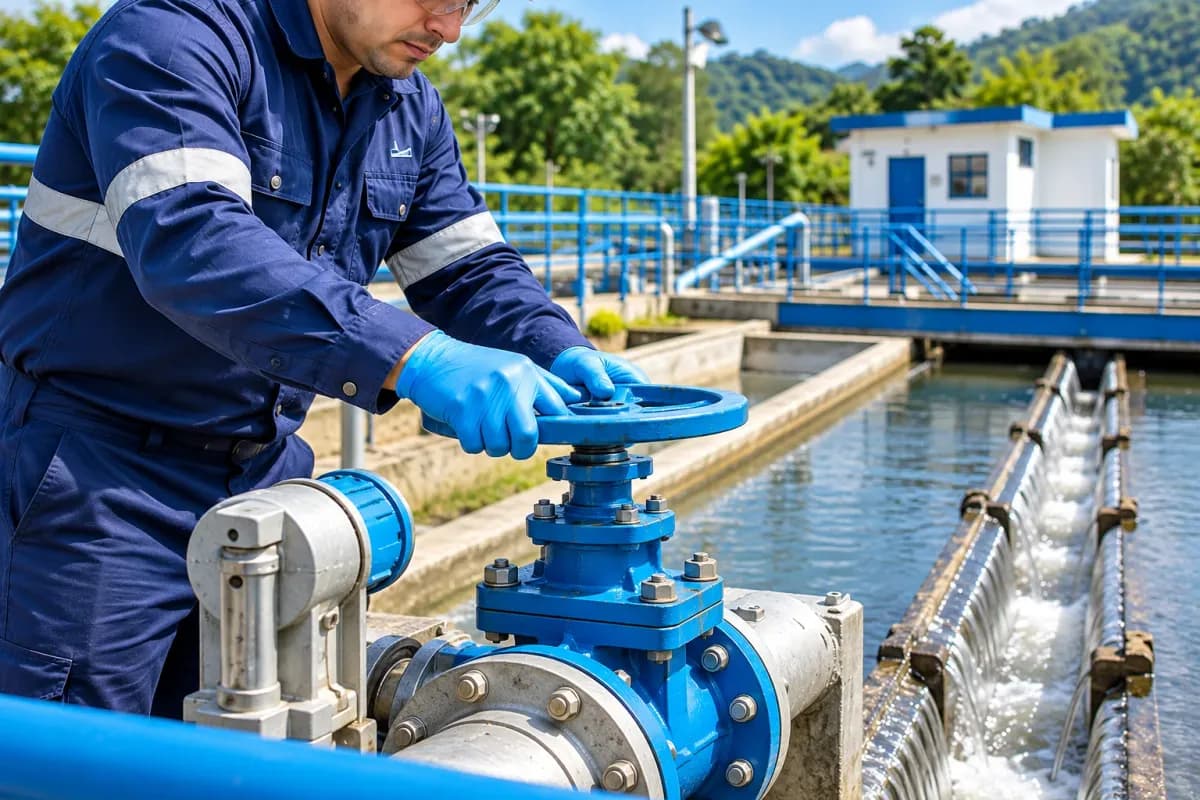
Water treatment facilities require reliable valves for filtration, treatment, and distribution systems. Duplex grades can be suitable for selected industrial water services, while super duplex is often considered for seawater intake, desalination, and high-chloride environments.
Offshore and Coastal Industrial Facilities
Coastal installations may experience exposure to seawater, salt-laden air, and chloride-containing process fluids. Super duplex valves can provide enhanced resistance to localized corrosion in appropriately designed systems.
5. Which Valve Types Are Available in Duplex and Super Duplex Materials?
Valve Type | Application |
Ball Valves | Used for reliable shutoff and isolation in chemical transfer and process pipelines. |
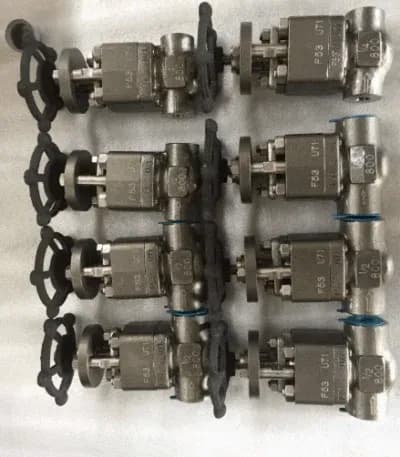
Gate Valves | Suitable for on-off isolation where a full-bore flow passage is required. |
Globe Valves | Used for flow regulation and throttling applications. |
Check Valves | Prevent reverse flow and protect pumps and other equipment. |
Butterfly Valves | Provide compact flow isolation in suitable large-diameter pipeline applications. |
Duplex 2205 vs Super Duplex 2507 – Technical Comparison
Parameter | Duplex 2205 | Super Duplex 2507 |
Common Grade | UNS S32205 / S31803 | UNS S32750 |
Chromium | 22% | 25% |
Nickel | 5–6% | 6–7% |
Molybdenum | 3% | 3–4% |
Nitrogen | 0.14–0.20% | 0.24–0.32% |
PREN | Above 35 | Above 40 |
Corrosion Resistance | High | Very High |
Chloride Resistance | Good | Excellent |
Mechanical Strength | High | Generally Higher |
Typical Applications | Chemical processing, mining, industrial water systems | Seawater systems, aggressive chemical processing, offshore applications |
Conclusion
Duplex and super duplex stainless steel valves both provide high strength and corrosion resistance for demanding industrial applications. Duplex 2205 offers a balanced solution for many chemical processing and mining environments, while super duplex 2507 provides enhanced resistance to pitting and crevice corrosion in aggressive chloride-containing services. For South African chemical processing plants, the right selection depends on fluid composition, chloride concentration, temperature, pressure, and expected service life.
African Valve supports industrial pipeline requirements with valve solutions for chemical processing, mining, water treatment, and petrochemical applications across Africa. Selecting the correct valve material helps improve equipment reliability, reduce unplanned maintenance, and support long-term plant performance.
Related Topics